
Starting a poultry business might seem easy, but it's not as simple as it sounds. You can’t simply purchase a few chickens, put up a coop, and expect eggs or meat to start coming in right away. After speaking with many poultry farmers worldwide, we saw one problem again and again.
Choosing the wrong chicken breed can cause major trouble for your entire farm.
Some chickens grow fast but do not handle hot climates well. Some produce a lot of eggs but become stressed in crowded poultry houses. Others are calm and easy to manage but may not match commercial production goals.
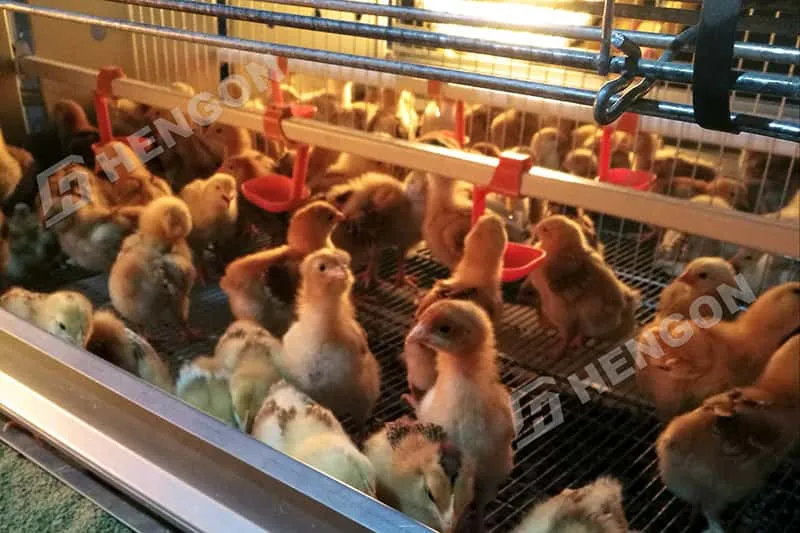
If you are planning a new poultry farm, you need to choose the right type of chicken early.
If you are upgrading your current operation, you also need to make this choice early.
Before buying chicks, ask yourself one simple question:
What is the main purpose of your poultry farm?
People design different chicken breeds for different production goals. Some breeds focus on egg production. Some breeders raise others mainly for meat. Others are dual-purpose birds that lay eggs and also provide meat well enough.
For commercial egg production, many farmers choose high-laying breeds such as Leghorn, Australorp, or Rhode Island Red. People know these chickens for stable laying performance and good feed conversion.
If your project focuses on broiler production, people often use fast-growing meat birds like Cornish Cross. They reach market weight quickly.
For smaller farms or family-run poultry businesses, having chickens that serve two purposes can be a good idea. These chickens can give you eggs and meat, and they're not too hard to take care of.
The chicken type you choose will affect your poultry equipment, feeding system, ventilation layout, and poultry house design.
A chicken breed that performs well in one country may struggle in another.
In tropical regions like the Philippines, Indonesia, Kenya, or Nigeria, heat resistance becomes extremely important. Birds under heat stress usually eat less, grow slower, and produce fewer eggs.
For hot climates, farmers often prefer breeds with better ventilation tolerance and lighter body structures. Proper poultry farming automation also becomes critical in these environments. Exhaust fans, cooling pads, automatic drinkers, and ventilation systems help maintain stable temperatures inside the poultry house.
In colder regions, heavier breeds with better cold resistance are usually more suitable. Insulation and air circulation design also become more important during winter operation.
This is why modern equipment for chicken farming is no longer just about cages. The entire environmental control system now plays a major role in farm performance.
Many new poultry farm owners underestimate how much housing design affects chicken health.
Larger breeds need more feeding space, stronger flooring systems, and better ventilation. Smaller breeds may adapt better to compact housing systems.
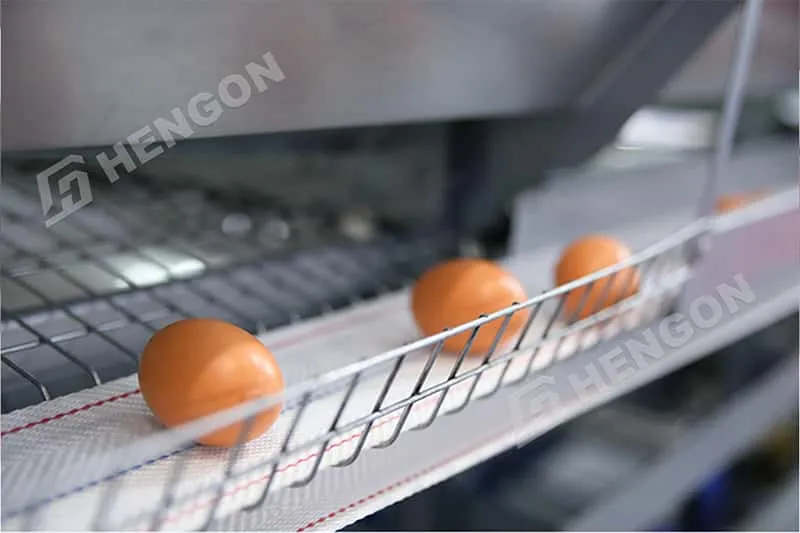
For commercial projects, automatic poultry equipment can greatly improve space utilization and labor efficiency. Modern poultry farm equipment helps farmers reduce manual work while improving feeding consistency and farm management.
Today, many poultry farms are moving toward fully integrated systems that include:
Automatic feeding systems
Automatic nipple drinking lines
Egg collection systems
Automatic manure removal systems
Climate control and ventilation systems
Farm inspection and monitoring equipment
Some big farms are now using new technology to help with poultry farming, like robots that check on the birds all the time to see how they're moving, if they're too hot or cold, and if they're sick or not.
These technologies are getting more and more attention at big poultry shows around the world and on commercial egg farms.
Not all chickens behave the same way.
Some chicken breeds are really laid back and easy to work with, while others can be pretty feisty or high-strung, especially when they're living in crowded conditions.
On big farms, having animals with a calm nature is really important because it helps lower stress, prevents injuries, and makes managing the farm easier. This is especially true for farms that use automated systems for raising chickens, where the birds are around the equipment that feeds them and collects their eggs every day.
Roosters are another consideration. In many commercial egg farms, roosters are unnecessary because hens can lay eggs without them. Removing roosters often reduces noise, fighting, and management problems inside the poultry house.
One mistake we often see is farmers spending all their time choosing chicken breeds while ignoring farm infrastructure.
It doesn't matter how good your chickens are, if their coop is poorly ventilated, they just won't thrive.
A successful poultry project usually combines:
Suitable chicken breeds
Reliable poultry farm equipment
Proper ventilation and cooling systems
Efficient feeding management
Good biosecurity planning
Strong poultry house construction
These days, a lot of big farms are choosing to get entire poultry farming systems, rather than just buying individual cages. This approach seems to be working better for them.
At HENGON, a lot of the farms we work with from other countries like to use steel frames for their chicken houses and pair them with automated equipment. This way, they can avoid issues when setting everything up and make sure their farm runs smoothly in the long run.
There is no single “best” chicken breed for every poultry farm.
When it comes to making a decision, there are several factors to consider - the climate you're in, how much you want to produce, your budget, the way you manage things, and the conditions of your housing. If you take the time to think through all these details at the beginning, it can really pay off in the long run, saving you a lot of money and hassle down the line.
If you are planning a new poultry farm project, it’s worth thinking not only about the chickens themselves, but also about the complete farming system behind them.
A well-designed poultry house with reliable poultry farming equipment can make daily management easier, improve bird health, and create more stable long-term profits.
Looking for reliable poultry farm equipment or a complete poultry house solution for your next project?
Email: consultant7@hglsgroup.com
Website: www.hengongroup.com
 English
 Español
 Français


