
Every exhibition is different, but one thing stood out during Livestock Philippines 2026. Most visitors weren't just looking for equipment. They were looking for answers.
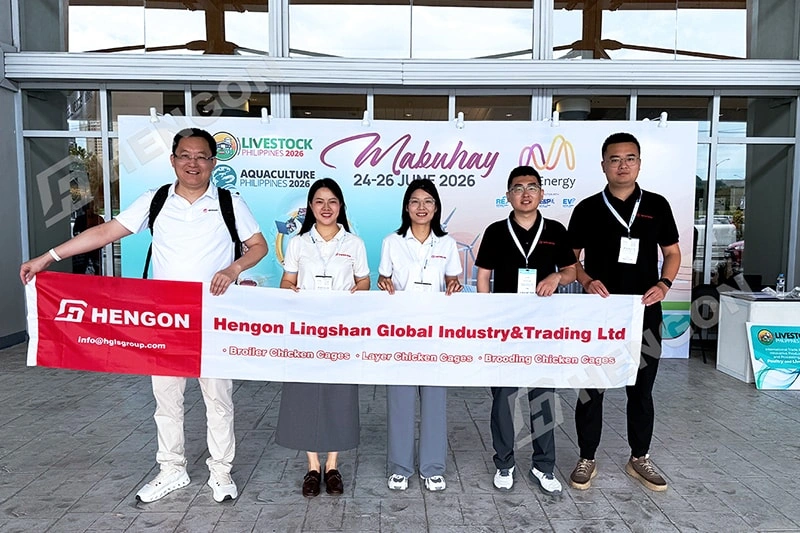
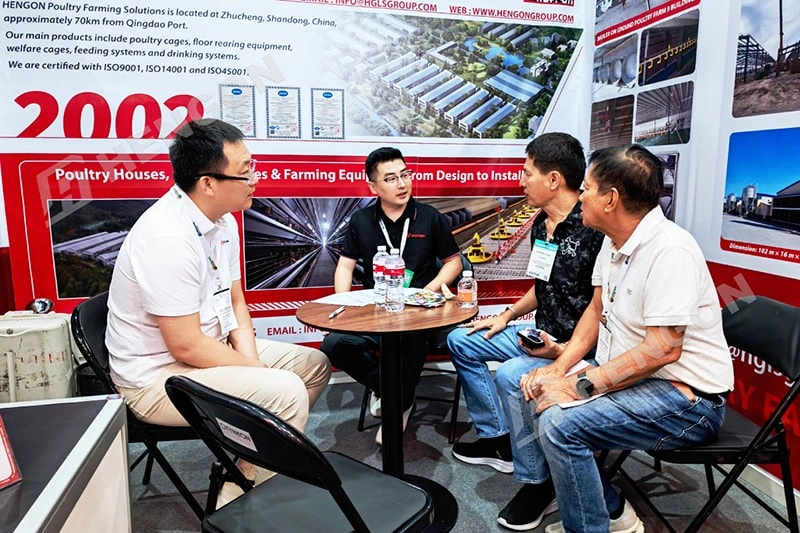
We spent three days talking to all sorts of people in the poultry business - farmers, owners of farms, distributors, and contractors. They came from the Philippines and nearby countries. Some of these people were just starting out and wanted to build their very first commercial farm. Others already had farms up and running, but wanted to make them bigger or update their old equipment.
We found that even though each project was different, the questions people asked were often the same.
So you missed the exhibition or you're thinking of starting a poultry project soon - either way, this article is for you. It talks about the most popular topics that people were discussing, and we hope it will help you make good choices when you're planning your next farm. Maybe you're not sure where to start or what to consider when it comes to poultry farming - this article should give you some useful ideas and insights to think about before you invest in your new project.
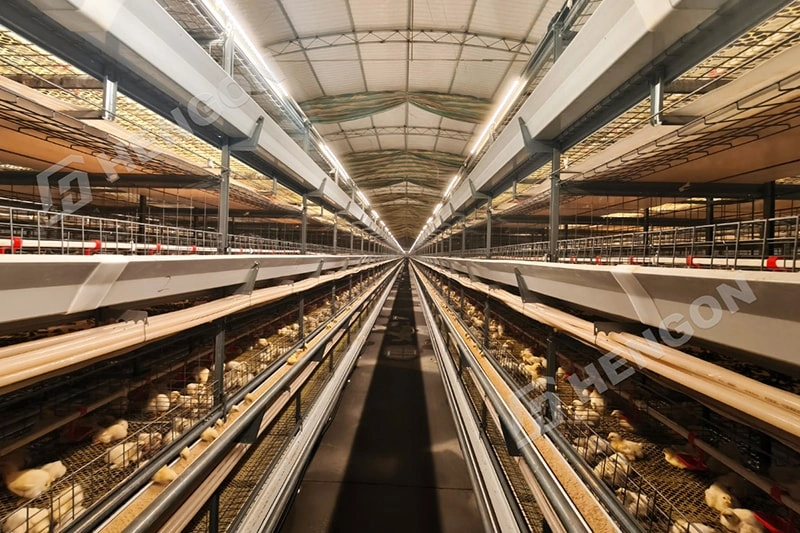
One of the most common questions was about poultry house construction.
Many people asked:
"Can I use the same chicken house design that works in another country?"
The answer is usually no.
A poultry house should be designed around your local climate, farm size, management style, and future expansion plans.
In the Philippines, weather is one of the biggest factors. High temperatures, high humidity, heavy rainfall, and seasonal typhoons all affect the performance of a poultry house. A building that works well in a dry climate may not provide enough ventilation or durability in tropical conditions.
That's why more farm owners are paying attention to the overall design instead of focusing only on the building cost.
A good poultry house should provide:
·Good airflow throughout the building
·Strong steel structure for long-term use
·Space for automatic equipment
· Easy daily management
· Flexibility for future expansion
A good chicken house is more than just a shelter for your birds. It can actually help cut down on upkeep costs and make your farm work better for a long time.
We kept coming back to the subject of automation, it was a recurring theme in our conversations.
Not so long ago, it was mostly the big farms that used automated equipment for raising poultry. But now, even farms that are just medium-sized are thinking about switching to automation. The reason is that hiring people to do the work is getting really expensive and it's also getting harder to manage them.
Visitors often asked questions like:
"Which equipment should I automate first?"
Let's keep things straightforward. Begin by looking at your daily tasks and identify the ones that eat up the most time.
For many farms, these include:
· Feeding
· Drinking
· Manure removal
· Egg collection
· Environmental control
Automating these tasks can help reduce daily workload, improve consistency, and create a better environment for both birds and workers.
You don't have to automate everything at once. Many successful farms upgrade step by step as production grows.
Proper airflow was also a major point of discussion at the event.
Some farm owners were surprised to learn that poor ventilation can affect much more than temperature.
Without proper airflow, poultry houses may experience:
· Higher humidity
·Wet litter
· Increased ammonia levels
· More stress on birds
· Lower production performance
In tropical countries like the Philippines, ventilation works together with cooling systems, insulation, and building design.
What's the best way to figure out the right number of fans for my space?
"How can I create a healthy environment throughout the year?"
Looking at the whole system often leads to better long-term results than simply adding more equipment.
One change we noticed this year was that many visitors were thinking further ahead.
They weren't just talking about the current project, but were already looking ahead to what's next and how they can expand on it in the future.
Questions included:
"Can this poultry house be extended later?"
"Will this equipment still work if I double my capacity?"
"Should I prepare for automation now, even if I'm not installing everything immediately?"
These are smart questions.
Planning ahead during the design stage usually costs much less than making major changes after the farm is already operating.
Even if your first project starts with one poultry house, it's worth considering:
· Future land use
· Utility planning
· Equipment compatibility
· Expansion space
A scalable design gives you more flexibility as your business grows.
One thing we always tell visitors is this:
Don't buy equipment simply because it looks advanced.
Choose equipment because it solves a real problem on your farm.
For example:
If labor is your biggest challenge, focus on automation.
If bird performance is inconsistent, review your ventilation and feeding systems.
If maintenance costs are increasing, check whether older equipment is reducing overall efficiency.
Every farm has different priorities, and the best solution isn't always the most expensive one.
Getting the right equipment is crucial. It needs to fit with what you want to achieve, how much you can spend, and how you like to run things.
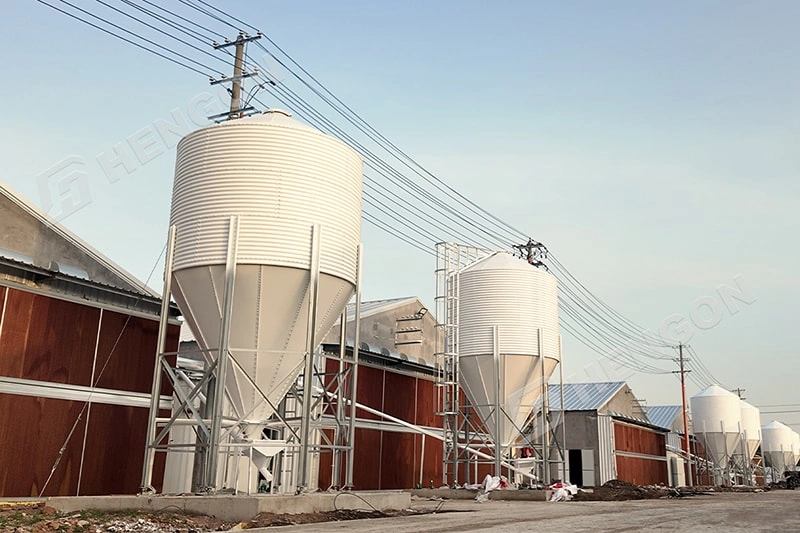
Price is always part of the conversation, and that's understandable.
However, seasoned poultry farmers tend to have a different inquiry in mind.
Instead of asking,
"Which supplier is the cheapest?"
they ask,
"Which solution will cost me less over the next ten years?"
A lower purchase price doesn't always mean lower operating costs.
Reliable equipment, durable buildings, and proper farm planning can reduce repairs, improve efficiency, and save both time and labor throughout the life of the project.
Looking at the total cost of ownership often leads to better investment decisions.
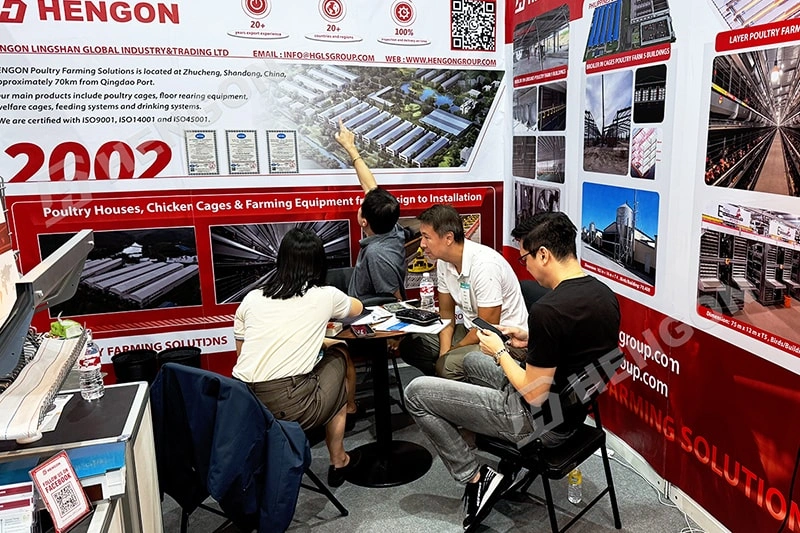
Livestock Philippines 2026 wasn't just an opportunity to introduce products.
It was an opportunity to listen.
Poultry farmers these days are pretty straightforward - they need solutions that actually work, not a bunch of fancy sales talk. What they're looking for is equipment that gets the job done, buildings that can withstand the test of time, and partners who really get what it's like to be in their shoes, dealing with the ups and downs of modern poultry farming. They want people who understand the challenges they face every day and can offer them practical help.
Whether you're planning a broiler farm, a layer farm, or expanding an existing operation, taking time to plan the right solution at the beginning can make a big difference in the years ahead.
If you're still weighing your choices or getting ready for your next move, you might want to check out some other helpful stuff on our site.
Each guide covers a different part of poultry farm planning and may help you find the right solution for your operation.
The questions we heard at Livestock Philippines 2026 reflected the direction of the poultry industry. Farm owners are focusing on efficiency, durability, automation, and long-term growth.
Technology continues to improve, but successful poultry farming still starts with good planning.
Planning is key when it comes to building or upgrading a poultry farm - it's worth taking the time to get it right. The conversations from this year's exhibition can be a great resource for your own project, giving you valuable ideas and insights to consider. By investing time in the planning stage, you can set yourself up for success and avoid potential pitfalls down the line. Whether you're starting from scratch or looking to improve an existing farm, taking a thoughtful and informed approach will always pay off in the long run.
Email: consultant7@hglsgroup.com
Website: www.hengongroup.com
 English
 Español
 Français


