
Running a successful commercial egg farm is more than just picking the right chickens. A whole system is in place that covers everything from what the chickens eat to how they live.
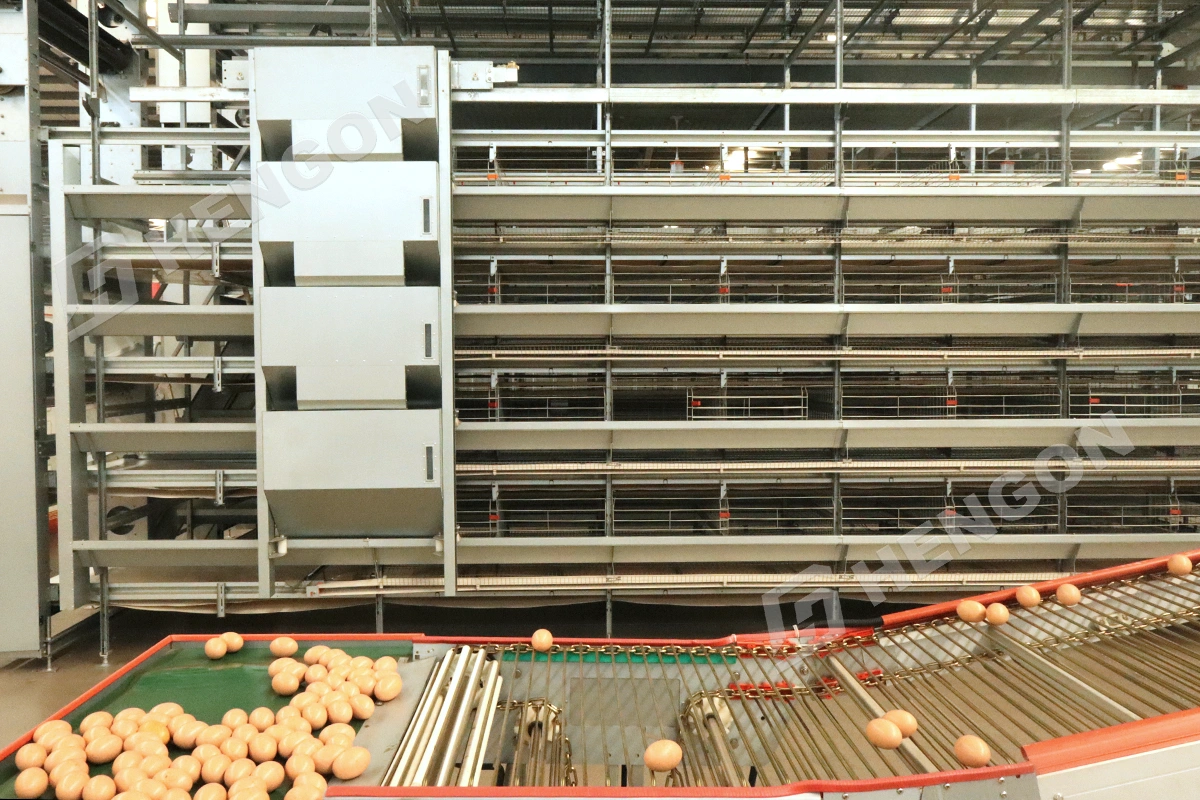
This includes making sure they have the right food, light, air, water, and a clean place to live. The equipment used on the farm is also crucial. All these things need to work together to create a healthy environment for the chickens to produce good eggs.
For large-scale farms that produce a lot of eggs, even a tiny decrease in production can lead to major financial problems. So, farms that specialize in raising chickens for eggs keep a close eye on everything that's going on inside the chicken coop. They check things like temperature, food, and water to make sure the chickens are healthy and happy, which helps them lay more eggs. In this manner, the farm can prevent financial losses while continuing to produce a high volume of eggs.
Understanding Normal Egg Production
A hen that's healthy will normally lay one egg about every 24 to 26 hours. This means they don't always lay eggs at the same time every day, because of their natural cycle. Some days, they might not lay an egg at all.
Egg production also changes with age. Most commercial layers maintain strong performance for around 50 to 60 weeks before production gradually declines. During molting periods, hens often stop laying temporarily while their bodies recover.
It's totally normal for things to slow down, but if you don't take care of them, they can start to decline a lot sooner than they should.
Nutrition Has a Direct Impact on Egg Production
One major factor that can really affect how many eggs are produced is not eating the right foods.
Hens that lay eggs need food that has all the right ingredients, like protein, calcium, and vitamins, to stay healthy and keep producing eggs. If they do not get enough of any one of these key nutrients, it can hurt their ability to lay eggs. Their egg production can drop fast.
Calcium is really important for hens because it helps make their eggshells strong. You see, eggshells are mostly calcium carbonate. If a hen lacks calcium, she may lay fewer eggs. Her eggs may also have weak shells.
Protein is really important for keeping egg production stable. Normally, feed for egg-laying chickens has about 16% to 18% protein. This helps them keep producing eggs regularly.
Many small farms try to reduce costs by using household scraps or unbalanced feed mixtures. In the short term this may save money, but in most cases it reduces egg production and creates more health problems later.
Clean Water Is More Important Than Many Farmers Realize
Water directly affects egg production.
A hen's body is made up of a lot of water, and eggs are too. So, it's really important for hens to always have fresh water to drink. If they don't, they might not lay as many eggs, and this can happen very quickly.
In countries with really hot climates, like the Philippines, Indonesia, Nigeria, and Kenya, managing water properly is super important.This is because when it's hot, people and animals need a lot more water, which can lead to a big increase in water usage.
Modern poultry farming equipment often includes automatic nipple drinking systems to ensure stable and clean water supply throughout the day.

Lighting Directly Controls Laying Performance
Light management is one of the most effective ways to improve egg production.
Layer hens need a lot of light to keep laying eggs regularly. They usually need around 14 hours of light every day. But during the winter or when it's rainy, there isn't enough natural daylight.
Many big farms that raise chickens for eggs use special lights inside the chicken houses. This helps the chickens lay eggs at the same rate all year round, because the right amount of light and how long it's on makes a big difference.
Poor lighting management often causes sudden drops in egg production without farmers realizing the real reason.
Ventilation and Temperature Matter More Than Expected
Heat stress is a major problem in commercial poultry farming.
When the poultry house becomes too hot or poorly ventilated, hens eat less, drink excessively, become stressed, and produce fewer eggs.
Goodairflow helps remove heat, moisture, dust, and harmful gases from the building. Proper ventilation also reduces disease risks and improves bird comfort.
Today, many commercial farms use poultry automation systems like exhaust fans, cooling pads, and smart monitors. These tools help keep conditions stable inside the layer house.
In hot tropical climates, special systems are now a must for big egg farms.
Housing Systems Also Affect Egg Production
The housing system itself can influence laying performance.
Many farms still use old-fashioned floor systems, especially when it comes to producing fertile eggs, but when it comes to big commercial egg farms, cage systems are still the way to go. This is because they make it easier to manage the farm and keep the eggs clean.
Modern layer cage systems help farmers:
Improve space utilization
Reduce egg breakage
Keep eggs cleaner
Improve feeding consistency
Reduce labor costs
Simplify manure cleaning
Many automatic poultry equipment systems now include automatic feeding, egg collection, manure removal, and drinking systems as part of a complete integrated solution.
A cleaner poultry house usually means healthier birds and more stable egg production.
Small Management Mistakes Can Create Big Problems
Sometimes the reason for low egg production is surprisingly simple.
Feed interruptions, poor water supply, overcrowding, parasites, dirty housing conditions, or sudden stress can all affect laying performance very quickly.
Even visitors entering the poultry farm without proper biosecurity measures may increase disease risks.
Successful poultry farms focus heavily on consistency. Hens perform best when their environment, feeding schedule, lighting, and daily management remain stable.
Technology Is Changing Modern Egg Farms
Commercial poultry farming is becoming more automated every year.
At recent international poultry exhibitions, many farms showed strong interest in poultry farm automation. They highlighted environmental monitoring systems, automatic feeding lines, and poultry inspection robots. These tools help track bird health and behavior.
These technologies are a big help in reducing the workload on farms, and they also make farm management easier and more efficient, which leads to more stable production.
For large-scale commercial farms, automation is quickly becoming a long-term investment instead of just an upgrade.
Final Thoughts
Improving egg production is rarely about one single solution.
In most cases, strong laying performance comes from combining good nutrition, proper lighting, clean water, reliable ventilation, healthy housing conditions, and efficient poultry farm equipment.
Farms that regularly produce a high number of eggs are often the ones that focus on the little things they do every day. It's the small details in how they manage their farm that makes a big difference.
When you're starting a new project with layers or looking to upgrade your existing poultry farm, getting the right equipment for poultry farming and a good system for your poultry house can really impact how well you do in the long run.
Contact Us
Looking for reliable poultry farming equipment or a complete layer farm solution?
We provide customized poultry farm equipment, automatic poultry equipment systems, layer cages, steel structure poultry houses, ventilation systems, and integrated poultry farming automation solutions for global poultry projects.
Email: consultant7@hglsgroup.com
Website: www.hengongroup.com
 English
 Español
 Français


