
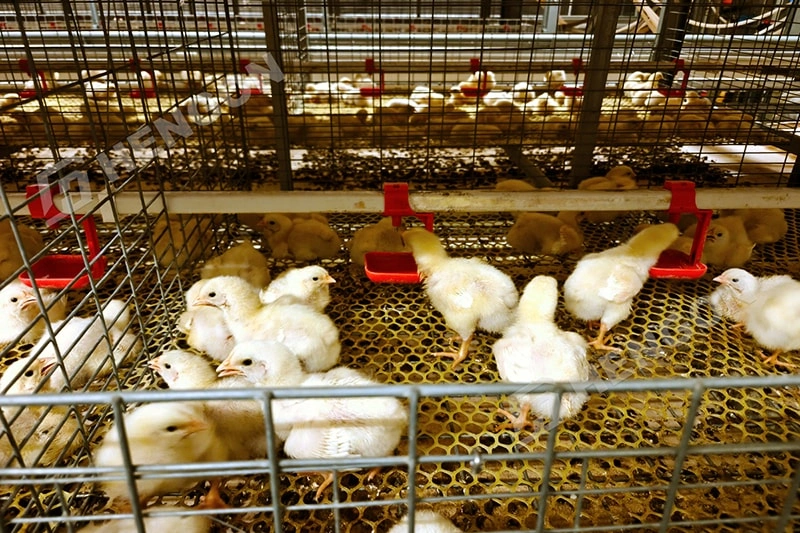
In recent years, the chicken farm Philippines market has continued to grow rapidly. Chicken remains one of the most affordable and popular protein sources in the country, and demand from supermarkets, restaurants, and fast-food chains keeps increasing every year. Because of this, many investors are still asking the same question in 2026: Is broiler farming in the Philippines still profitable?
The short answer is yes — but profitability today depends much more on farm management, automation, and operating efficiency than before.
Running a poultry business in the Philippines can be tough, especially when it comes to costs. For many operators, the biggest expense is still feed - it can account for over half of the total cost of producing broilers.
And that's not all, labor is becoming a bigger challenge too. As wages keep going up, farms that still do things the old way - manual feeding, drinking, cleaning up after the birds, and controlling the temperature - are finding it harder to make a stable profit. This is because these manual tasks take a lot of time and money, and with wages rising, it's getting more expensive to keep up with these traditional methods.
This is one reason why more poultry farmers are moving toward poultry farming automation. Automatic feeding systems, nipple drinking lines, ventilation systems, cooling pads, and automatic poultry equipment can help reduce labor requirements while improving bird health and feed conversion rates.
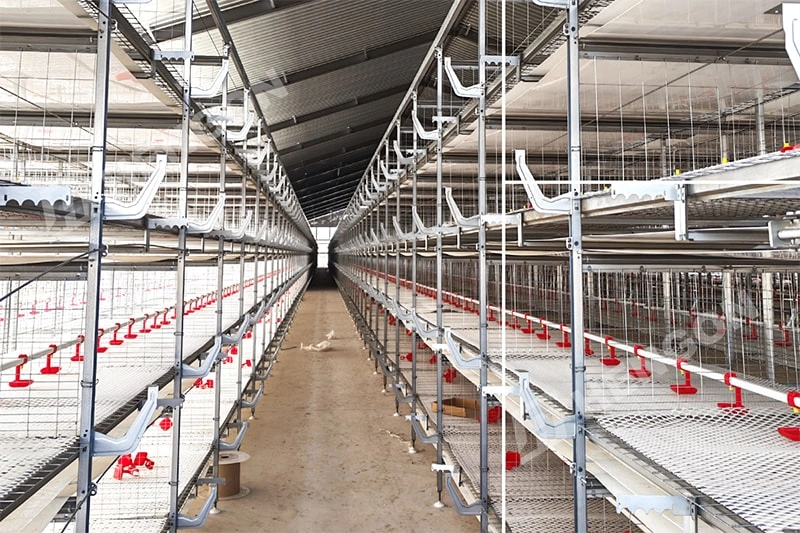
Let's take a look at a small family chicken farm in the Philippines with around 3,000 to 5,000 birds - they often still rely on manual management.
The good thing is, they don't have to put in a lot of money upfront, but the downside is that it's really labor-intensive and they can't produce as much as they would like. On the other hand, medium-sized farms with 10,000 to 30,000 birds are really taking off right now, and it's because automation starts to make a big difference at this size.
In the Philippines, big commercial broiler farming projects are really working on being more efficient and controlling diseases. They're using modern closed poultry houses with automated systems to control the environment, which can greatly reduce the number of birds that die and help them grow faster every day. This means that over time, farmers can expect a more stable return on their investment, which is a big deal. By having better control over the environment, farmers can reduce the risk of disease and improve the overall health of their birds, leading to higher profits and a more sustainable business.
When it comes to investing in a broiler farm in the Philippines, climate is a crucial thing to think about. The country's hot and humid weather throughout the year makes it essential to have good ventilation and cooling systems in place. If the air doesn't circulate properly, it can quickly affect how much the birds eat and how well they perform.
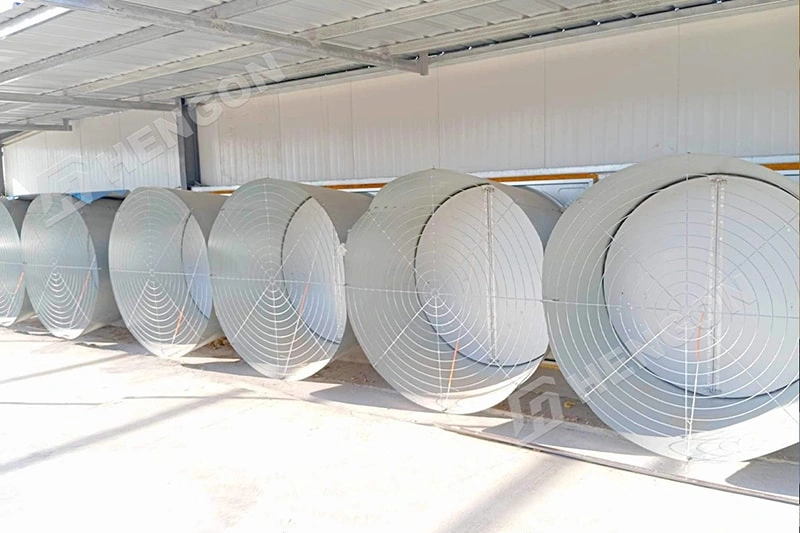
To deal with this, many successful farms are now using tunnel ventilation systems along with automated poultry equipment to keep the environment inside the poultry house stable. This way, they can ensure the birds stay healthy and thrive, even in the challenging Philippine climate.
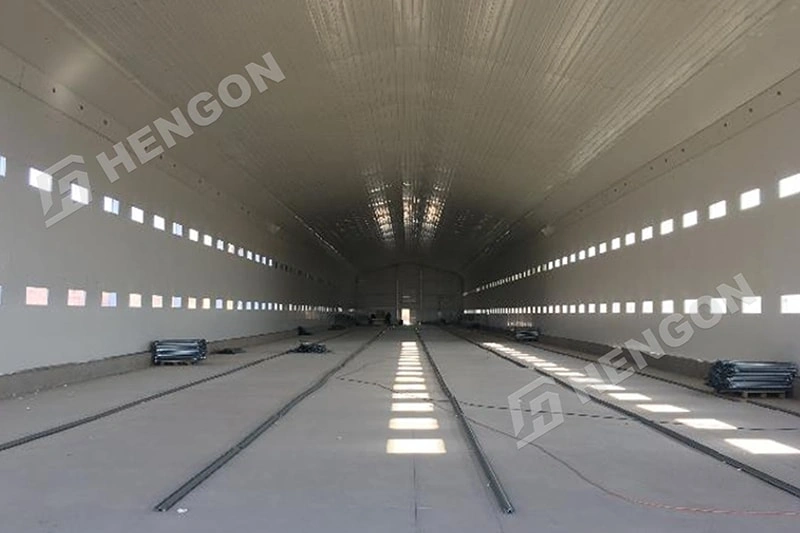
We've seen it time and time again in Southeast Asia - the poultry farms that really take off are the ones that prioritize building a solid foundation from the start. It's not just about finding the cheapest option upfront, but about investing in reliable infrastructure that will pay off in the long run.
A poultry house that's well-designed and equipped with efficient equipment can make a huge difference. Not only will it save you money on labor costs, but it will also help you get more out of your feed and reduce the need for maintenance. In the end, it's a smarter way to build a successful poultry farm.
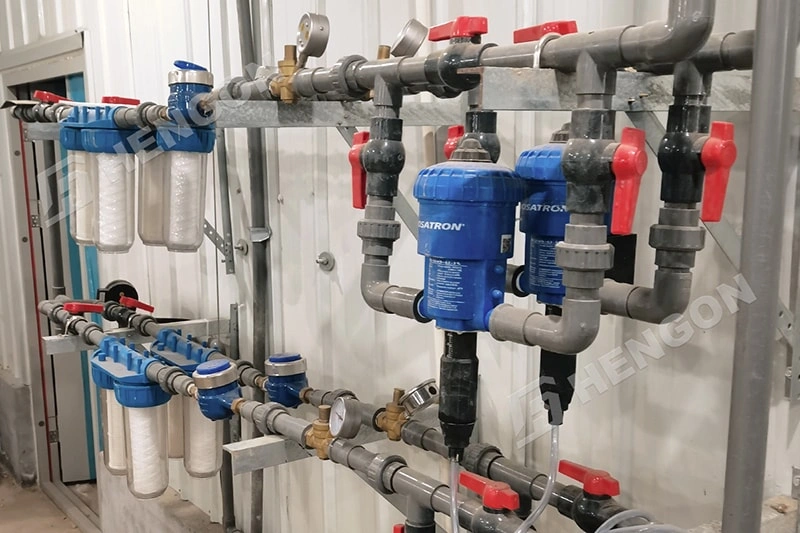
At HENGON, we help farmers set up their poultry houses in a way that works best for them. We do this by providing things like steel buildings, automatic feeders, ventilation systems, and drinking water lines. Our goal is to help farmers raise chickens in a way that's good for the environment and their bottom line. We work with farms of all sizes, from small ones to big ones, and we make sure our solutions fit the local weather, budget, and production goals of each farm. Whether you're just starting out with a small broiler house or you're planning a big poultry project in the Philippines, we can help you find a solution that works.
Many customers first start by comparing equipment prices, but after discussing farm operation costs, they realize that automation is not only about saving labor — it is about improving long-term profitability and making farm management easier.
Starting a new chicken farm in the Philippines in 2026 can still be a good idea, especially if you focus on running things smoothly and using modern ways of raising poultry. This way, you can make the most of the market and be successful. It's all about being efficient and using the latest systems to raise your chickens.
If you're starting a poultry farm, you'll need good equipment and a solid place for your birds to live. You can find reliable gear and steel houses that will make your project a success.
Email: consultant7@hglsgroup.com
Website: www.hengongroup.com
 English
 Español
 Français


