
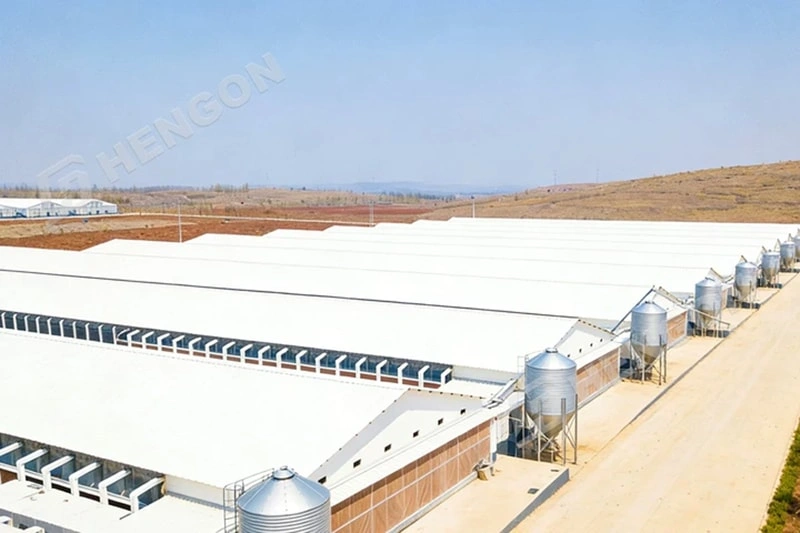
If you're planning a chicken farm in the Philippines, one of the first decisions you'll make is how to raise your birds. Should you choose a traditional floor system or invest in a cage system?
This is one of the most common questions we hear from farmers who are starting a new project or expanding an existing one. Some want a simple setup with lower upfront cost, while others are looking for higher production efficiency and better use of space.
When it comes to farming, what works for one place might not work for another. The key is to figure out what's best for your specific situation, taking into account things like what you're trying to produce, how much money you have to spend, who's available to help out, and where you see your farm going in the long run. This guide is here to help you weigh your options and make a decision that's right for you, by looking at the pros and cons of different systems.
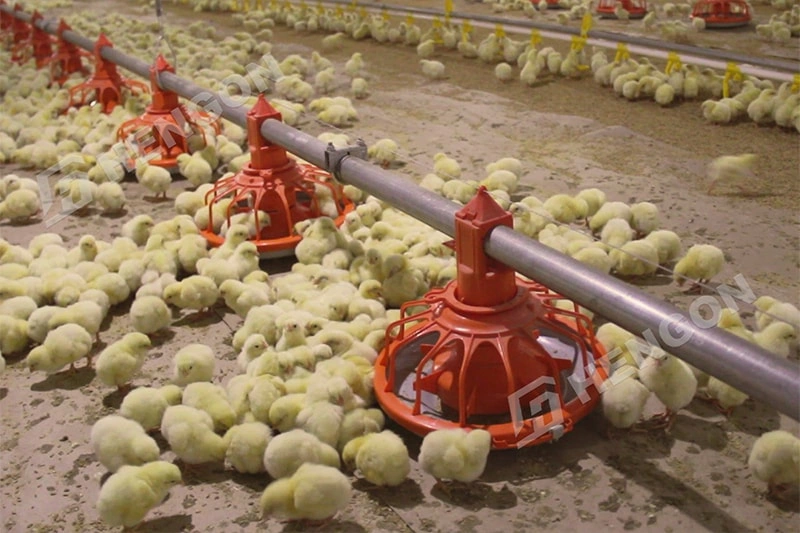
On many poultry farms, a traditional way of raising birds is still used. This method lets the birds move around freely on a floor covered with litter, like rice husks or wood shavings. The birds spend their time eating, drinking, and growing on this litter until they are old enough to be sold.
This system is really popular, and it's easy to see why. First, you don't need to spend a lot of money to get started, and setting it up is pretty simple. That makes it a great option for smaller farms or people who are just starting out in the poultry business. It's a good way for them to get their foot in the door without breaking the bank.
As farms get bigger, many farmers realize that taking care of the floor systems takes up more time every day and becomes really tough to handle.
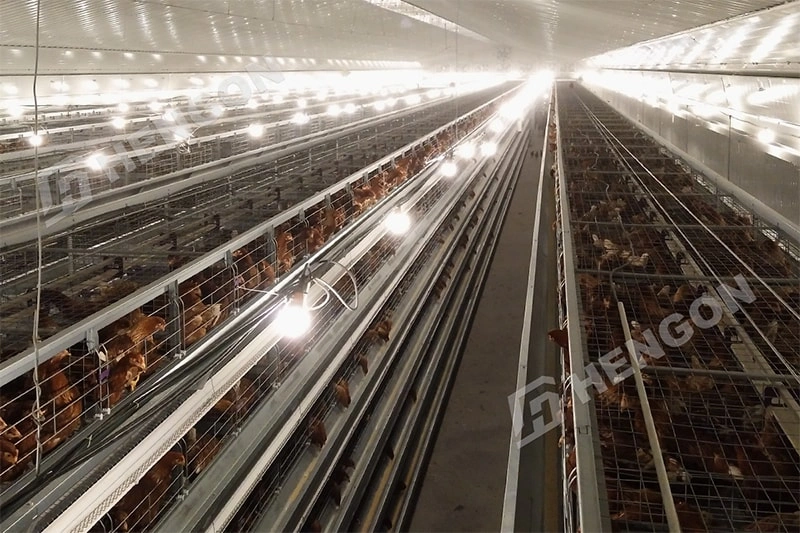
In a cage raising system, birds are housed in specially designed cages equipped with feeding, drinking, and manure removal systems. Many commercial farms also add automatic feeding and harvesting equipment to further reduce labor.
Over the past few years, cage farming in the Philippines has become more common as farms look for higher production efficiency and better space utilization.
While it's true that the upfront cost is more than a floor system, a lot of bigger farms think it's worth it in the long run because it can help cut down on costs as time goes on.
If you're on a tight budget, raising the floor is often the more affordable option to begin with.
A cage system costs more because it includes steel structures, cages, and automation options. However, many commercial farms recover this investment through higher production efficiency and lower labor costs.
This is the point where cage systems really come out on top.
Raising birds in multiple tiers is a great way to increase capacity. This means a cage system can hold a lot more chickens in the same amount of space. For farms with limited or expensive land, this is a big advantage. They can boost production without needing to expand the site. It's a clever way to make the most of the space they have.
When it comes to production costs, feed is a big part of the equation, and that's why even tiny improvements can add up to make a real difference.
When you use cage raising, the food gets spread out more evenly, so it's easier to keep track of waste. The birds also don't have to use as much energy to get around, which can help them turn their food into energy more efficiently, as long as everything is managed correctly. This can make a big difference in how well the birds grow and thrive.
Floor systems can also perform well, but feed waste and uneven feeding are more likely if management is inconsistent.
One of the main things that sets these two systems apart is how they're managed on a daily basis.
A floor raising poultry farm generally requires more manual work for feeding, cleaning, and bird management.
A cage system, especially when combined with automatic feeding and manure removal, can reduce routine labor and make farm management more efficient. This is one reason many growing farms are investing in automation.
When you're comparing the return on investment, it's really important to think about more than just how much something costs to buy.
When you first set up a floor system, it might seem like the cheaper option. But think about it - the cost of labor can really add up, and if you can't fit as many items in the space, that's going to hurt your bottom line in the long run.
A cage system requires a larger initial investment, but for many commercial farms, the higher production capacity and improved efficiency help generate better returns over the long run.
There's no universal answer.
If you're starting a small farm with a limited budget, a floor system may be the right choice.
If you're looking to set up a big commercial poultry business, you might want to think about using a cage system. This can help you produce more, make things easier to manage, and even leave room for automating parts of the process later on.
Before making a decision, think about where you want your business to be five years from now—not just how much you want to spend today.
Both floor raising and cage raising have their advantages. The right choice depends on your farm size, investment plan, labor availability, and production goals.
Many poultry farms in the Philippines begin with one system and later upgrade as their business grows. Planning ahead from the beginning makes that transition much easier.
If you're comparing different solutions for your next chicken farm in the Philippines, it's worth looking beyond the equipment itself and considering how the entire farming system will support your long-term success.
If you want to learn more about this, you should check out our other guides. We have ones on Broiler Cage Systems, Steel Poultry Houses, Automatic Feeding Systems, and Climate Control Solutions. These can really help you plan a farm that works well now and can grow with you in the future.
Email: consultant7@hglsgroup.com
Website: www.hengongroup.com
 English
 Español
 Français


